Some 800 years ago, a Buganda Kingdom was established along the north-western shores of what is now called Lake Victoria. The kingdom gradually became powerful, and by the 18 th and 19th centuries it was one of the strongest kingdoms of East Africa. In the 1840s Muslim traders reached the territory of Uganda from the coast of Indian Ocean, bringing cloths and beads in exchange for ivory and slaves. A British explorer John Hanning Speke became the first European to visit Buganda in 1862. Soon after, the British troops appeared. Despite severe resistance from Buganda, the British finally conquered the entire territory. In 1884 they created the Buganda Protectorate. A protectorate is a form of dependence on the dominant power but with granted local autonomy over most internal issues. This meant that the local Bugandan rulers were formally in charge of domestic affairs. In 1875 Bugandan King Mutesa allowed Christian missionaries to enter his realm. Soon after, Anglican, Catholic, and Protestant missionaries arrived at the protectorate. When by the 1890s the British established their rule over the entire country, they started calling it by its contemporary name of Uganda. It remained a British protectorate for 100 years until it gained independence in 1962.
Milton Obote became the first head of independent Uganda. In 1971 the Army chief, Idi Amin, organized a coup and became not only the new leader of the country but also its bloody dictator, who in 1976 declared himself to be the president for life. He carried out mass killings, estimated to exceed 100,000 people. He involved Uganda in wars with Kenya and Tanganyika, and by expelling Indians and Europeans ruined the economy through depletion of production, transportation, and trade. Amin fled the country in 1979, but the domestic fights lasted through most of the 1980s. In the late 1980s, Yoweri Museveni became the dominant figure in Ugandan politics. His legacy is mixed, to say the least. During his reign, a rebel group called Lord’s Resistance Army headed by Joseph Kony became a major problem for Uganda. The guerrilla war carried out widespread abduction of children to forcibly recruit them or use them to be soldiers and/or sex slaves. He was charged for war crimes and crimes against humanity in 2005 by the International Criminal Court in The Hague, but he has evaded capture. Kony fled from Uganda to one of the neighboring countries and is hiding since.
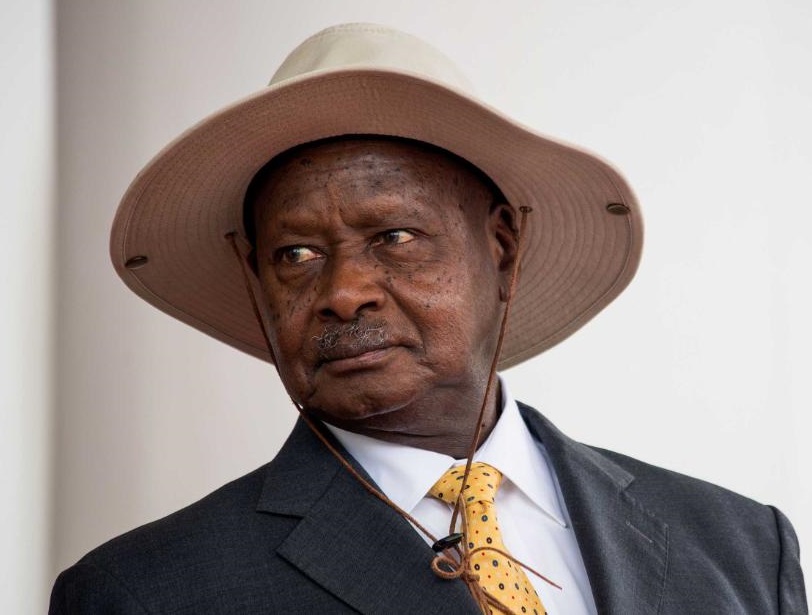
The 2021 Ugandan general election re-elected president Museveni to a sixth term, but international observers strongly complained that Museveni has organized violence and disinformation, suppression of independent media and opposition campaigning, the arrest of opposition leaders, the shutdown of the Internet, and harassment of observers. According to official results, Museveni won the elections with 58% of the vote while popstar-turned-politician Bobi Wine had 35%. The opposition challenged the result because of allegations of widespread fraud and irregularities. Wine was arrested, but his detention was met by widespread demonstrations around the country. Although the Uganda police alleged that “only” 54 people were killed, human rights activists put the figure at more than 100 murdered and several hundred others injured. Over 2000 people were incarcerated during the subsequent protests. Bobi Wine was supported mostly by young people who have hoped for a democratic Uganda.
Get new content delivered directly to your inbox.
 Saint Bruno Project